



ME Málaga Hotel: Architectural Avant-Garde and Historical Integration by Domingo Corpas
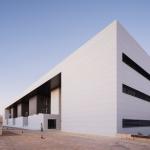
Contemporary architecture in historic districts requires a balance between heritage preservation and technical innovation. The ME Málaga Hotel serves as a case study for its ability to blend seamlessly into Málaga’s urban landscape.
This project is the result of close collaboration between Domingo Corpas Architecture and Engineering and ASAH (Álvaro Sans Hotel Architecture).
The building successfully integrates into the city’s historic fabric while offering a luxurious experience that is open and connected to its surroundings through STRUGAL aluminum systems and windows
Recognized as Best Urban Hotel in Spain at the 2026 National Geographic Travel Readers’ Choice Awards , the ME Málaga Hotel has redefined the standards of hotel luxury, intertwining functionality, energy efficiency, and design.
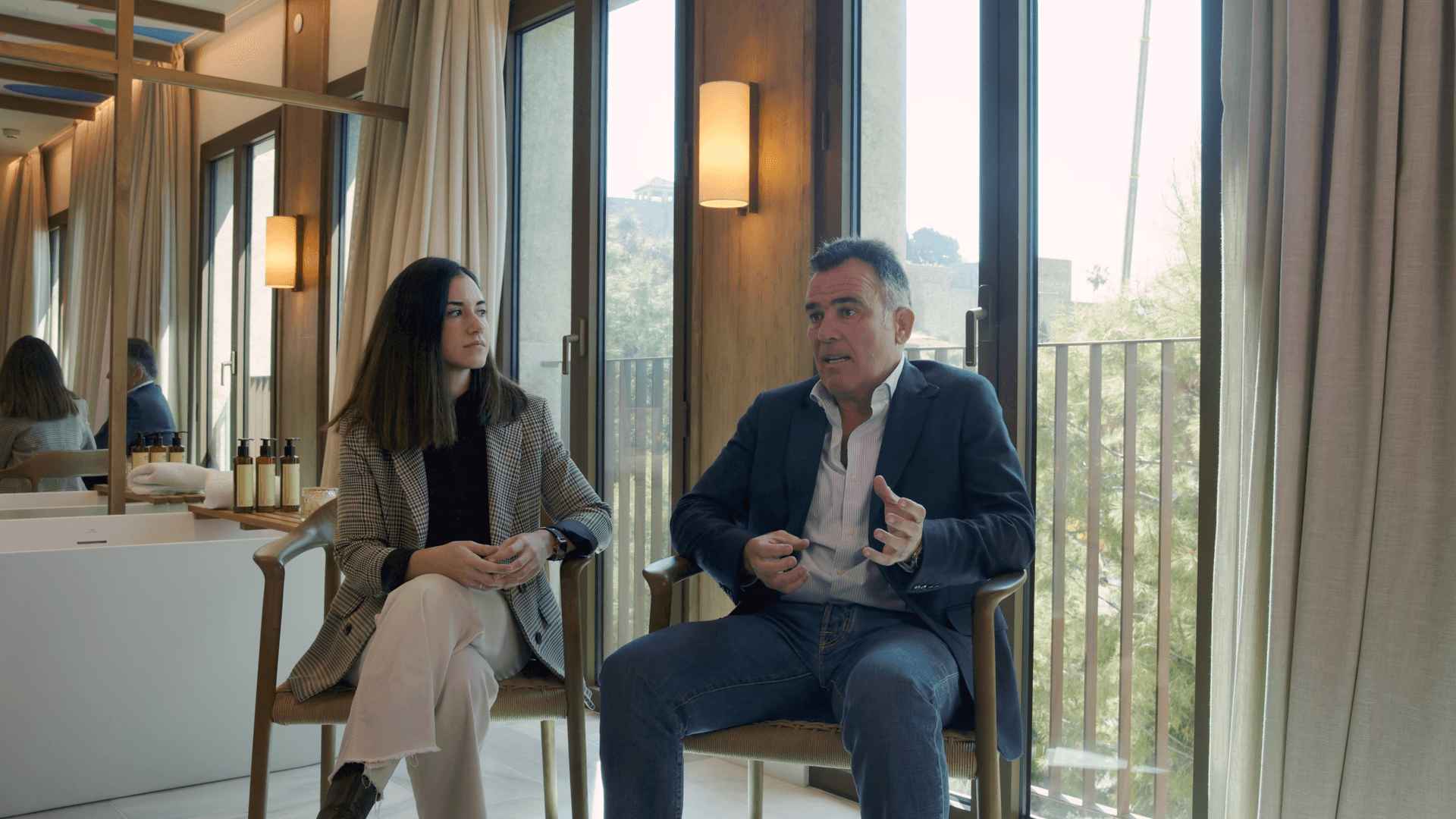
In this article, we explore the key elements of this landmark project. We examine the technical challenges and the sophistication of its building envelope. We do so through the perspective of the project’s architects: Carlos Domingo Corpas, CEO of Domingo Corpas, and architect Almudena Cruces Cuesta, Senior BIM Manager at Domingo Corpas.
The project’s philosophy: quality and efficiency
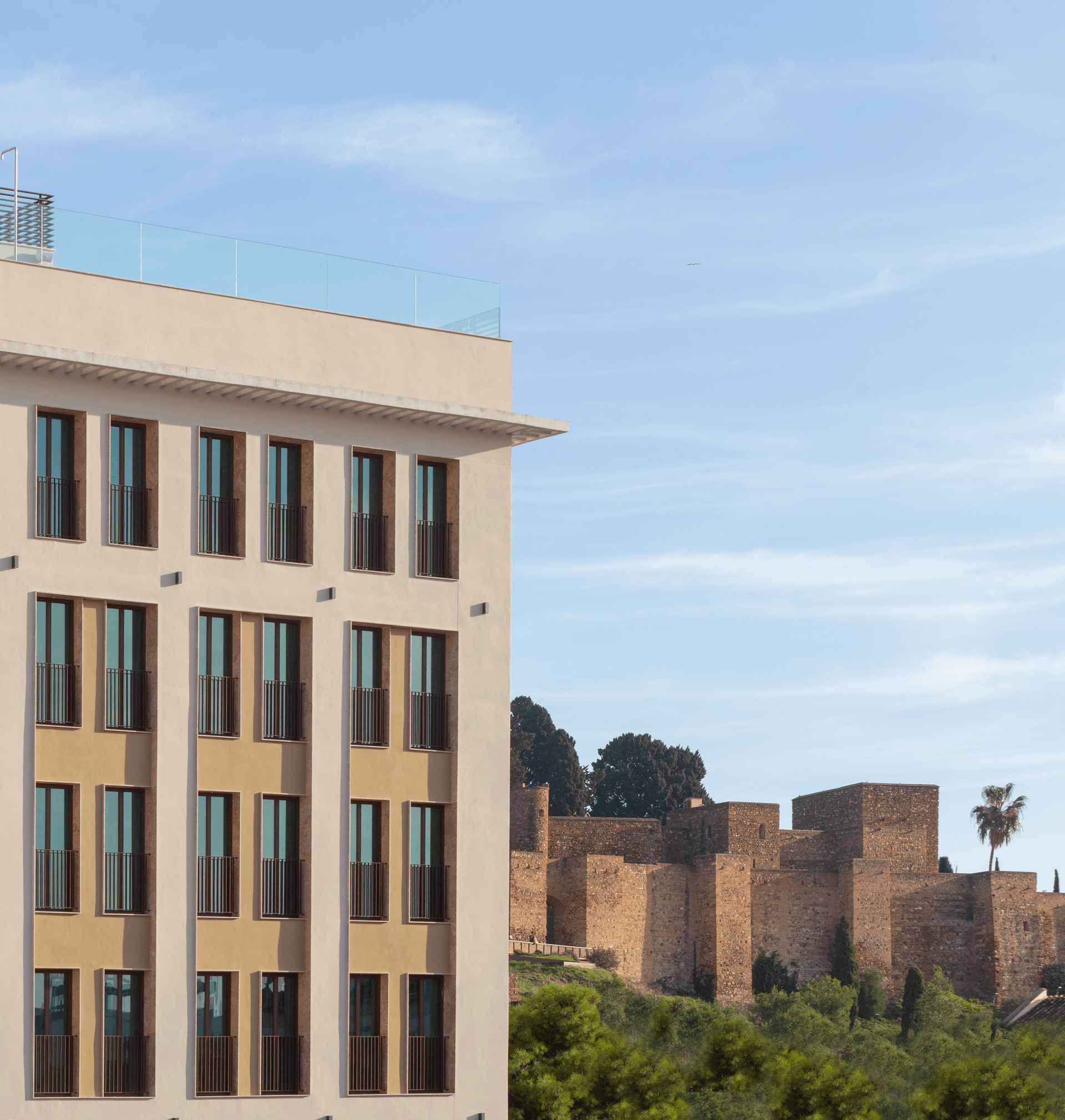
The central idea was to design a building that would blend naturally into its surroundings, surrounded by historic monuments of great value.
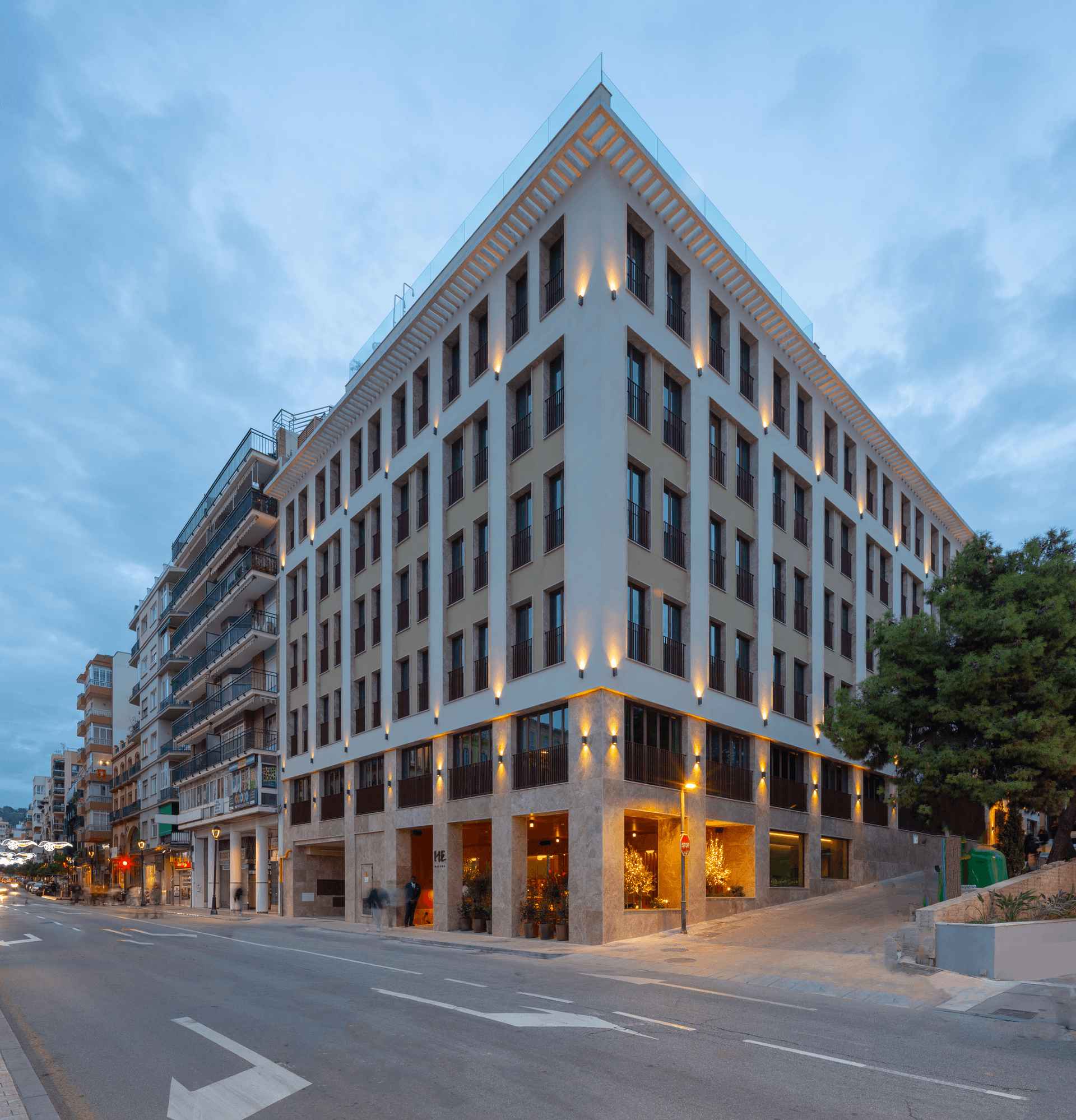
“The goal was for the hotel to look as though it had always been there” , notes Carlos Domingo.
To achieve this, an architectural language was employed that engages with the city through the use of clean lines and high-quality materials.
”Natural light and views became the cornerstones of the design, allowing the city of Málaga to permeate every corner of the hotel.”
— Carlos Domingo Corpas, CEO of Domingo Corpas.
The guest experience: privacy, comfort, and social spaces
The hotel features 128 rooms and suites, inspired by contemporary culture and art:
- The design aims to make guests feel something different in each area.
- The various spaces offer a haven of well-being and private tranquility.
- The common areas are vibrant spaces for the creative scene, design, and socializing.
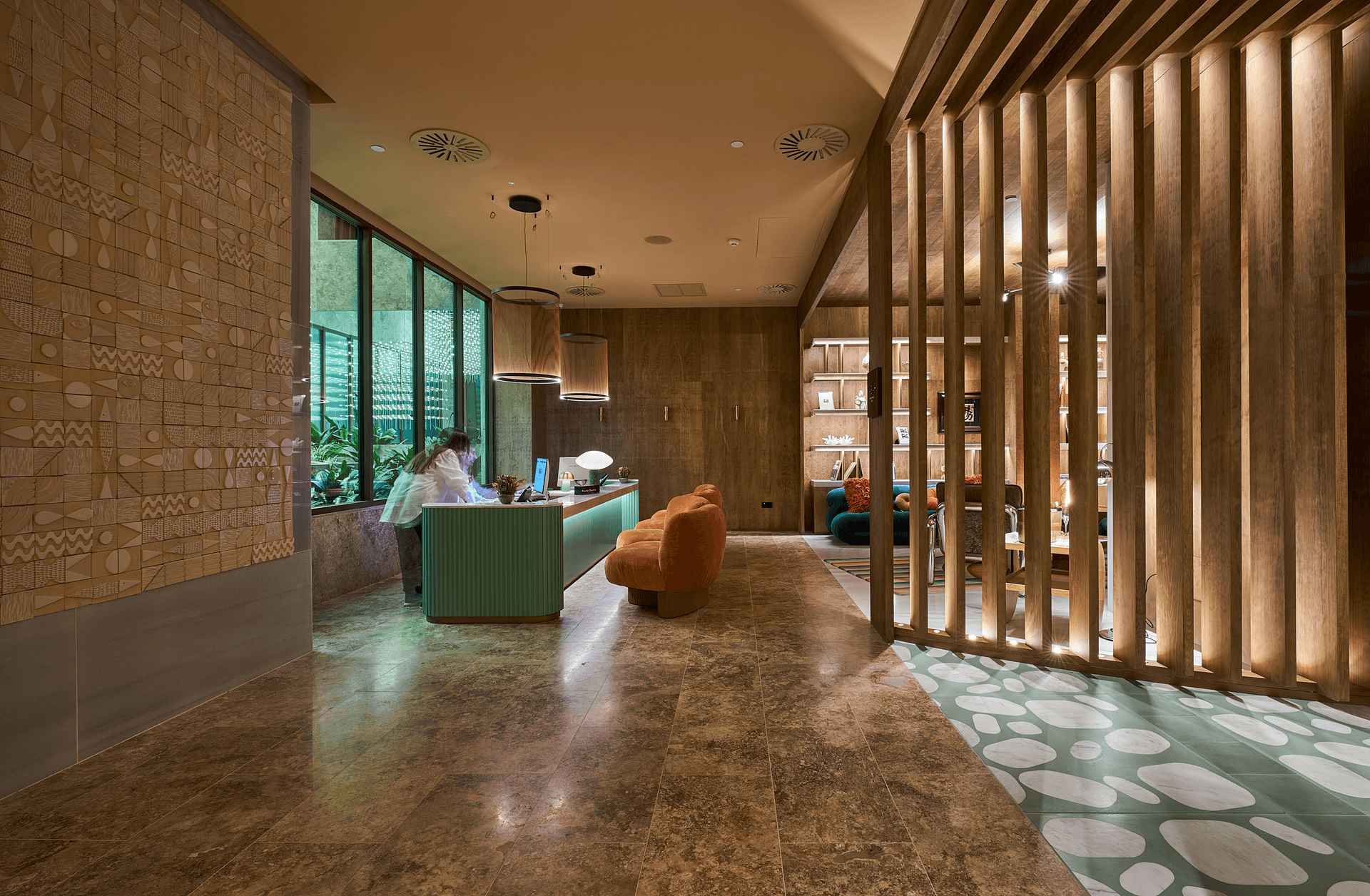
“Unlike other luxury hotels that place their suites on the upper floors, Meliá chose to locate the social areas on the penthouse level.”
— Carlos Domingo Corpas, CEO of Domingo Corpas.
This decision allows both guests and visitors to enjoy a rooftop deck with an infinity pool and 360-degree views of the Alcazaba, the Roman Theater, and the Cathedral.
To facilitate this public access, a dedicated elevator was installed from the street. It connects directly to the dining area. There, the Cañitas Maite restaurant combines tradition and modernity, at the heart of the city’s most dynamic dining district.
The technical challenge: protecting the surroundings
Developing historic sites requires a delicate balance: building without erasing the traces of the past. To preserve the heritage legacy, construction of the ME Málaga Hotel was divided into two phases.
Advanced shoring methods, such as diaphragm walls and micropiles, were used during construction, allowing archaeologists to work safely on-site, where some funerary remains from a nearby mosque were found.
“The subsequent structural challenge was to set the foundations of the building without blocking or disturbing the historical remains.”
— Carlos Domingo Corpas, CEO of Domingo Corpas.
The technical solution was the construction of a 1.20-meter-thick post-tensioned reinforced concrete slab. Supported at the perimeter by piles, it “floats” above the archaeological site through the tensioning of internal steel cables using hydraulic jacks.
“Added to this technical complexity were the logistical challenges of working in the heart of the historic center, which required an extremely precise and efficient concrete pouring and material storage phase.”
Carlos Domingo Corpas, CEO of Domingo Corpas.
STRUGAL Solutions: Light, Continuity, and Design
The choice of STRUGAL aluminum windows and cladding systems was crucial to achieving the project’s aesthetic and technical objectives.
Carlos Domingo Corpas highlights the brand’s technical support and performance. These factors are key to ensuring acoustic and thermal insulation, which is vital in a busy urban environment.
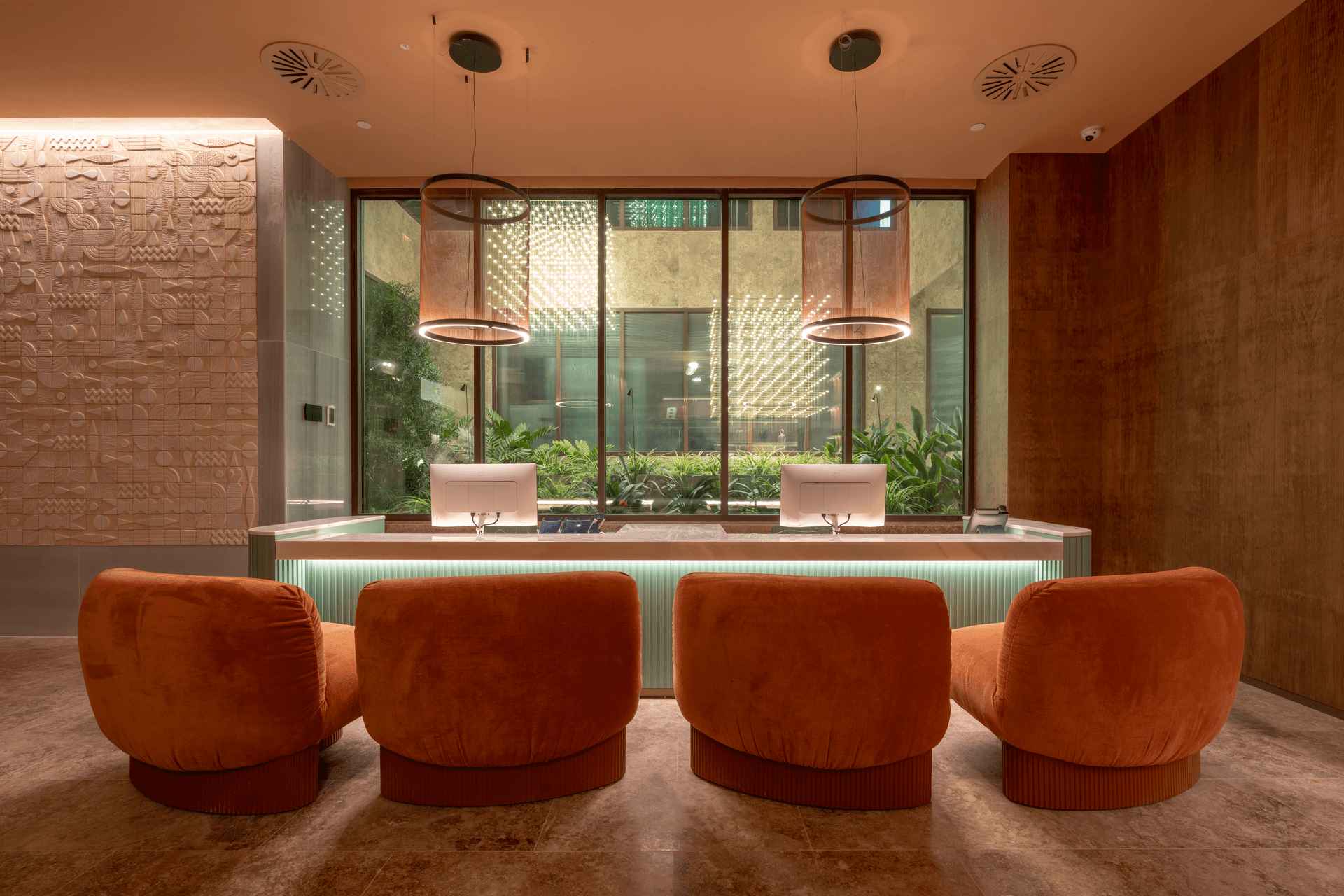
Among the solutions implemented, the following stand out:
- STRUGAL S74RP Óptima HO: with a minimalist trim, it maximizes visual lightness and ensures that the views to the outside are as continuous and unobstructed as possible thanks to its concealed sash.
- STRUGAL S52R: used to create the large glazed surfaces that characterize the design of the curtain walls, which are the focal point of the skylights in the conference areas.
- STRUGAL S75RP FD NOVA: this folding system has been essential in the attic area to ensure absolute accessibility and continuity between the interior and exterior, without protrusions that interrupt the flow.
For the finishes on the joinery and handles, the textured ARIZON lacquer was chosen.
“It helped us harmonize with the railings and balustrades of nearby historic monuments. This reinforces the connection to the heritage.”
— Almudena Cruces, Senior BIM Manager at Domingo Corpas.
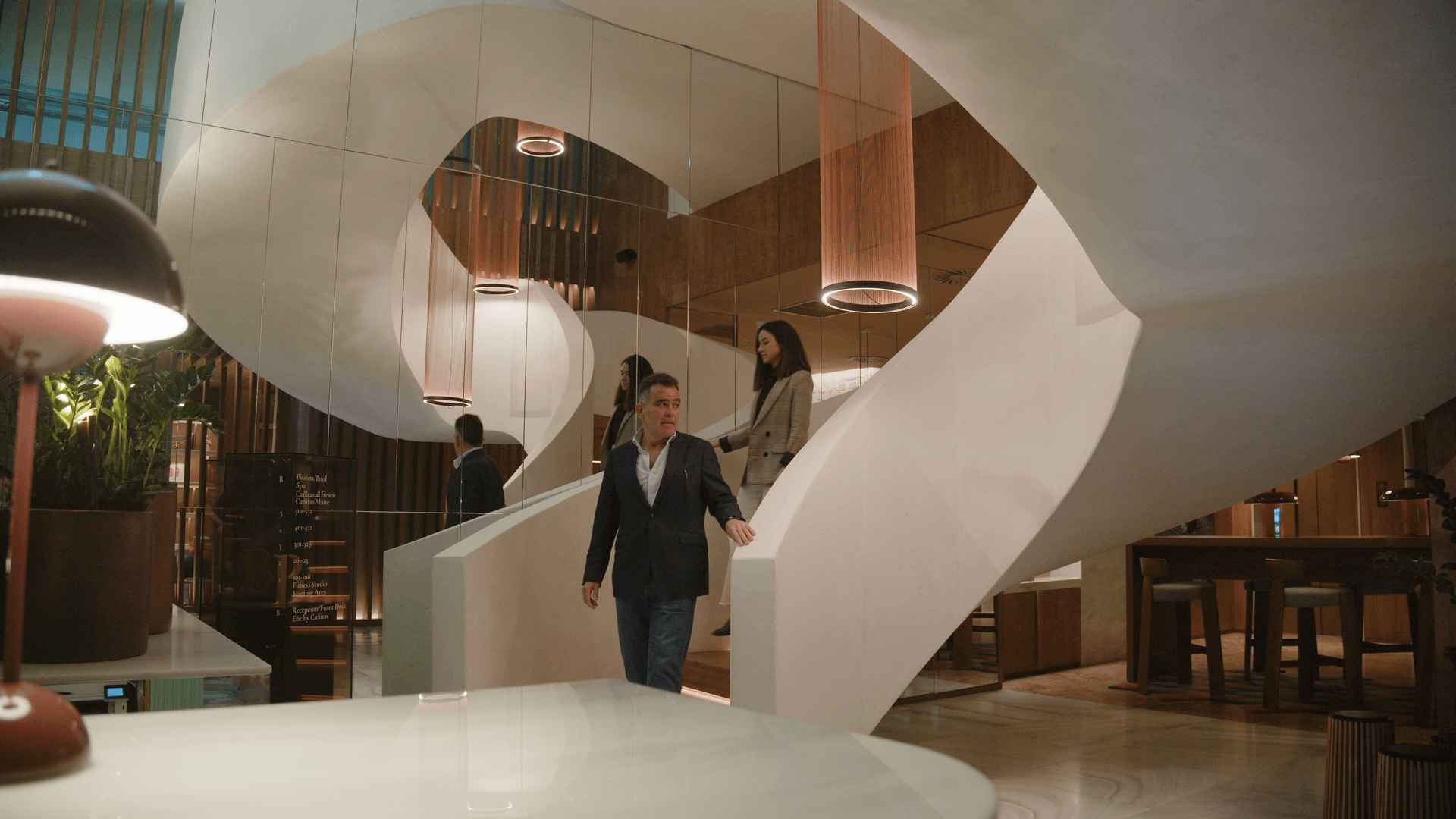
A design icon: the circular staircase
For Domingo Corpas, the white reinforced concrete circular staircase, located on the ground floor, is one of the standout features of the ME Málaga Hotel.
“This piece is not just a functional element, but a sculpture in itself: it is a continuous curved ‘U’-shaped beam with concrete parapet walls that act as its own structure.”
— Carlos Domingo Corpas, CEO of Domingo Corpas.
Architect’s Conclusions
The Hotel ME Málaga is much more than a five-star hotel; it is a lesson in how architecture can bridge the gap between archaeological preservation and cutting-edge innovation.
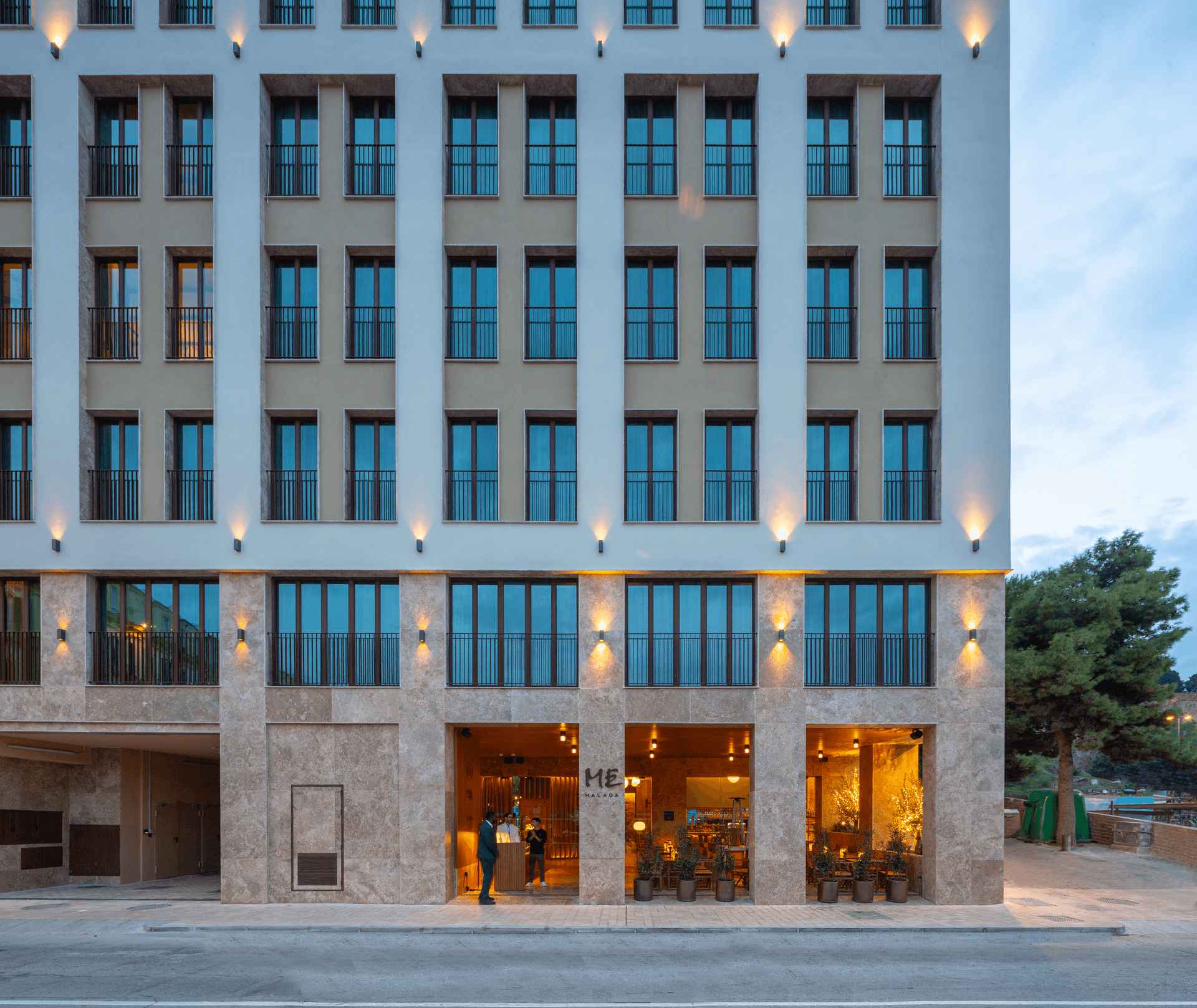
The firm notes that this project highlights its ability to find specific solutions for each technical challenge.
"“Our commitment to the client is based on creating an architectural product of quality, energy efficiency, and functionality.”
— Carlos Domingo Corpas, CEO of Domingo Corpas.